How to Use a State Pest Control Directory to Find Licensed Professionals
When a pest problem shows up in your home or business, the first reaction is often panic. You want someone who can handle it fast, and you want them to be good at their job. But finding the right person for the job is not always straightforward. There are plenty of companies that call themselves exterminators, but not all of them have the proper training, insurance, or pesticide license to do the work safely and legally. That is where a state pest control directory becomes an essential tool for property owners and facility managers alike.
I have been in the pest management industry for over fifteen years, and I have seen the difference between a job done by a licensed pest control operator and one done by someone who just bought a sprayer at the hardware store. It is night and day. A licensed professional understands the biology of the pest, the chemistry of the product, and the legal requirements around its use. They also carry liability insurance and are held accountable by a state pesticide regulatory agency. Without a directory to verify credentials, you are essentially flying blind when you hire someone to treat your property.
Why a State Pest Control Directory Exists
Every state in the U.S. has its own set of rules for who can apply pesticides for hire. These rules are enforced by a state pesticide regulatory agency, which maintains a list of individuals and companies that hold a valid pesticide license. A state pest control directory is simply that list, made available to the public. It is not a marketing tool. It is a public record. And it is one of the most reliable ways to confirm that a pest control service is operating within the law.
I remember a call I took years ago from a homeowner whose attic was infested with squirrels. She had hired a handyman who said he could handle it. He set traps, but he also used a fumigation product he bought online. The product was not labeled for use indoors or for that pest. The homeowner ended up with a chemical smell in her house for weeks and a fine from the state for improper pesticide use. That situation could have been avoided with a simple check of her state pest control directory before she hired anyone.
What You Find in a Good Directory
A thorough directory lists not just the company name and phone number, but also the specific categories of pest certification held by each pest control operator. For example, someone certified for structural pest control may not have the training to handle mosquito control or termite treatment. If you have a bed bug extermination need, you want a company whose license explicitly covers that type of work. The directory will show you that detail, along with the expiration date of the license and any disciplinary actions on record.
This level of detail matters because pest control is not a one-size-fits-all industry. A company that specializes in rodent control may not have the equipment or knowledge to handle a fumigation job in a commercial warehouse. And a firm that does termite treatment might not be the best choice for a green pest control approach in a school. By using the directory, you can match the specific pest problem to a company that has the right credentials.
How to Use the Directory Effectively
Start by identifying the pest you are dealing with. Is it an ant infestation in the kitchen, a wasp nest under the eaves, or a recurring issue with cockroaches in a restaurant? Each pest may require a different approach and sometimes a different type of license. Once you know what you are up against, go to your state pest control directory and look for companies that hold the appropriate certification for that type of pest. Most state directories allow you to search by license category, city, or county.
Once you have a short list of local pest control companies, call them and ask a few questions. Do they use Integrated Pest Management techniques before resorting to chemical sprays? Do they offer a pest management plan that includes regular inspections and monitoring? How do they handle the disposal of waste? A licensed pest control operator should be able to answer these questions without hesitation. The directory gives you a starting point, but the conversation with the company gives you the confidence.
The Role of Professional Associations and Federal Agencies
While the state directory is the official source, organizations like the National Pest Management Association also play a role in setting industry standards. Companies that are members of NPMA often have access to additional training and follow a code of ethics. The Environmental Protection Agency, meanwhile, regulates the pesticides themselves, but it does not license individual applicators. That power rests with the states. So when you use a state pest control directory, you are tapping into the most direct and relevant source of regulatory information for your area.
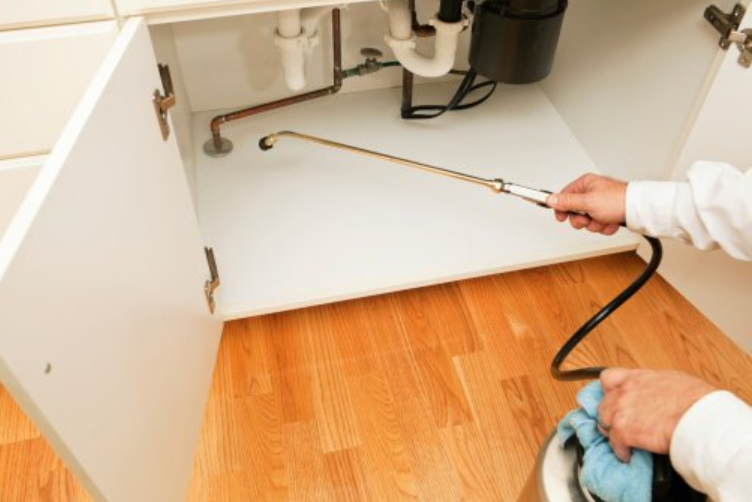
I have found that the best pest control professionals treat their license as more than just a piece of paper. They renew their training, stay current with changes in pesticide law, and often carry multiple certifications. A pest control service that lists a broad range of services, from structural pest control to mosquito control, usually has the depth of experience to handle complex jobs. But again, the directory will tell you if they are actually authorized to perform those services, not just advertising them.
When to Look Beyond the Directory
The state pest control directory is a powerful tool, but it is not the only factor in your decision. A company can be fully licensed and still do poor work. That is why it pays to ask for references, read online reviews, and request a pest inspection before signing a long-term contract. The directory confirms legality. It does not guarantee quality. But it does filter out the unlicensed operators who might put your family or your business at risk.
For commercial properties, the stakes are even higher. A hotel with a bed bug problem needs a pest control operator who understands the legal and public relations side of that situation. A restaurant with a cockroach issue needs someone who can work around food prep areas without contaminating surfaces. In those cases, the directory is your first check, but a thorough interview and a site visit are essential next steps.
Practical Tips for Homeowners
- Check the directory before you call anyone. It saves time and prevents mistakes.
- Look for the specific license category that matches your pest, not just a general pest control license.
- Ask the company for their license number and confirm it in the directory.
- Note the expiration date on the license. An expired license means the operator is not currently certified.
- Keep a record of the company's information and the date you checked the directory for future reference.
The Bigger Picture: Pest Management as a Profession
The pest control industry has changed a lot in the last twenty years. The days of a man with a spray can and a truck are fading. Today, the field requires knowledge of Integrated Pest Management, understanding of how pesticides move through the environment, and skill in communicating with clients. A pesticide applicator needs to know not just how to kill a pest, but how to prevent it from coming back. That is why states require continuing education and why the directory is updated regularly.
When you use the directory, you are supporting a system that protects public health and the environment. You are also making a choice that respects the profession. The person who holds a pesticide license has invested time and money to learn their craft. They deserve to be hired by people who understand the value of that credential. And you deserve the peace of mind that comes from knowing the person treating your home is qualified to do so.
Whether you need a one-time termite treatment or an ongoing pest management plan for a commercial building, start with your state pest control directory. It is the single most reliable resource for finding a licensed pest control operator in your area. It will not tell you everything, but it will tell you the most important thing: whether the company you are considering is legally allowed to do the work.